
Insights
Ideas worth sharing.
Our Insights explore branding, business, strategy, creativity and the things that influence how businesses are seen, understood and valued.

Colour psychology? It's not quite that simple.
If you've spent any time on LinkedIn recently, you've probably seen one of those posts claiming that blue builds trust, green represents growth, red creates excitement and purple signals luxury.
They usually come with a colourful infographic and the promise that choosing the right colour could transform your brand.
It's a nice idea.
It's also a huge oversimplification.

Built for scrolls or built to last?
It feels as though we're becoming increasingly impatient.
We don't just expect information quickly anymore; we expect everything quickly. We become irritated if a website takes a few seconds to load. We skip the introduction to a programme because we want to get straight into it. We play podcasts and voice notes at double the speed because thirty minutes somehow feels like too long. Even when we're watching TV, many of us find ourselves reaching for our phones during the quieter moments.

Finding Your Voice
There has never been a better time to create content.
There has also never been a worse time to sound different.
Every day, businesses publish blogs, social posts, emails, videos and website copy at a rate that would have been unimaginable just a few years ago. With AI now sitting a few clicks away, entire marketing campaigns can be produced before you've even finished your morning coffee.

Thinly Spread: More channels. More content. Less impact.
There are more TV channels today than ever before.
Hundreds of them. Streaming platforms everywhere. Infinite choice, on-demand content, personalised recommendations and entire libraries available at the touch of a button.
Yet somehow, most nights, people still end up scrolling endlessly, thinking: “There’s nothing worth watching.”
Modern branding and marketing feel very similar.
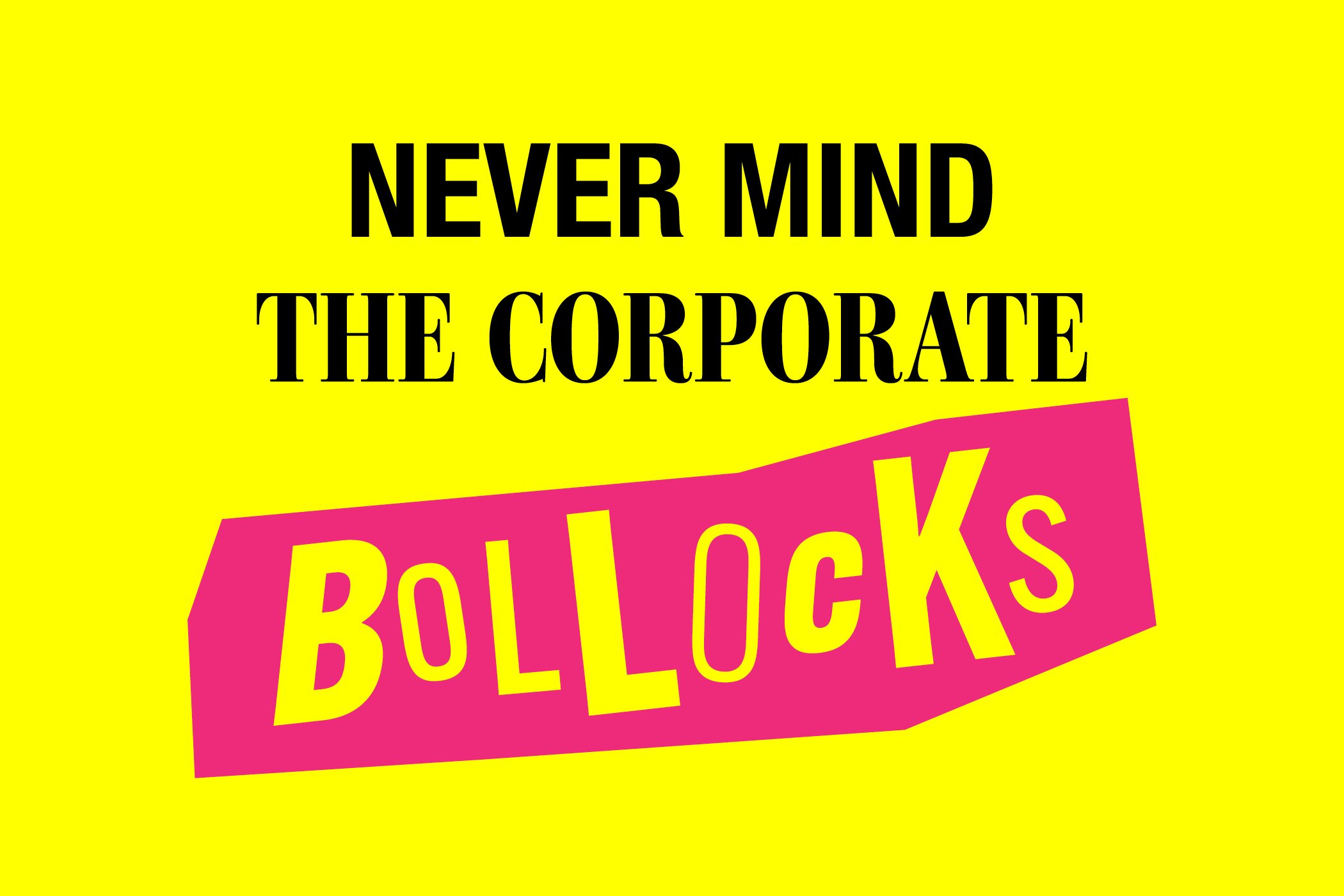
Never Mind the Corporate Bollocks
Somewhere along the way, ‘branding’ stopped being about making your company recognisable and started being about producing documents nobody reads.
These days, every business seems to believe they must have 60-page brand guidelines, a sweeping mission statement, a purpose, pillars, archetypes, personas, tone of voice; the whole shebang.
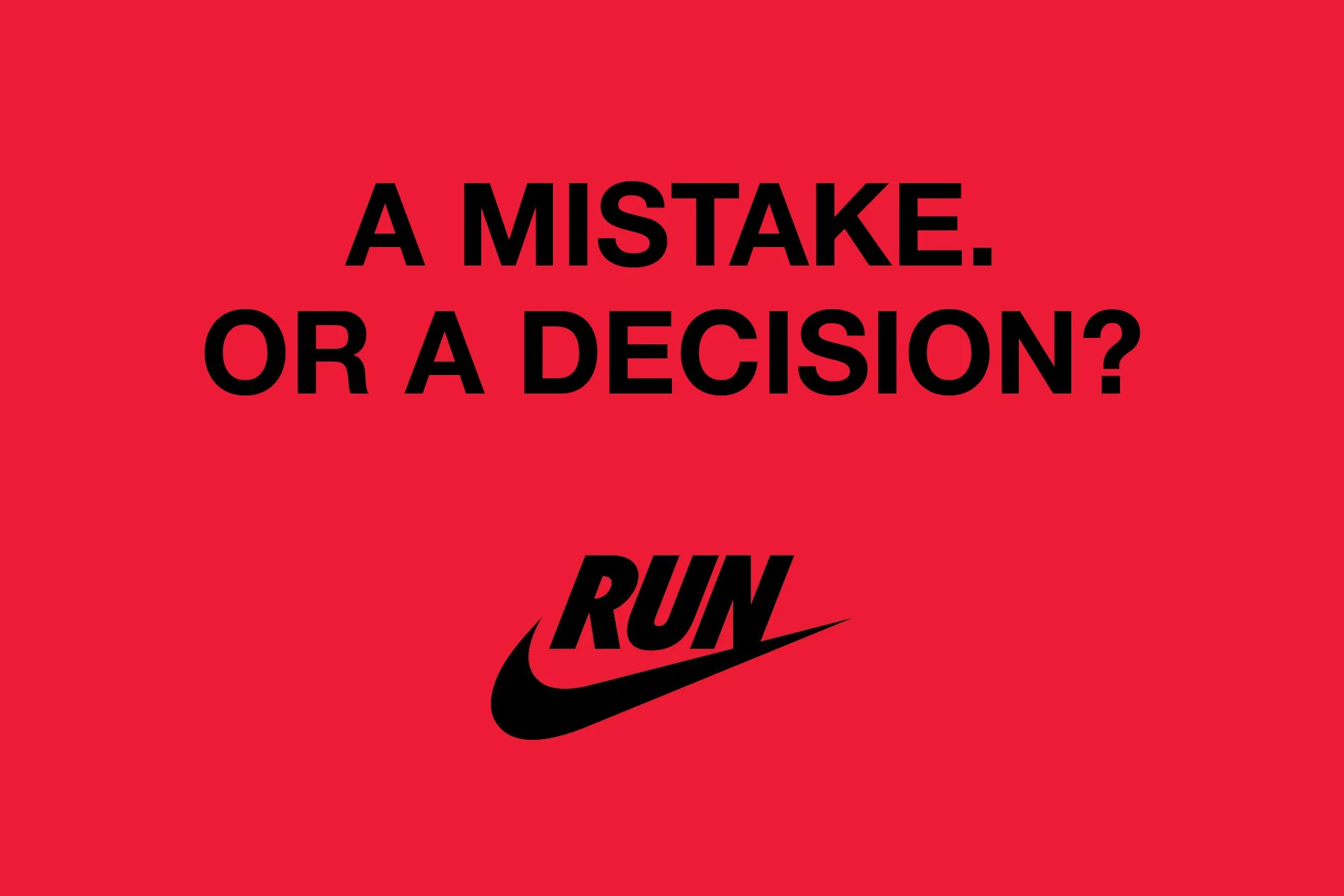
This wasn’t a Nike mistake. It was a choice.
Nike’s recent running campaign has triggered the usual wave of reaction, criticism of tone, debate over wording, and plenty of people deciding whether it crossed a line.
Some have taken offence.
Others have questioned the thinking behind it.
A few have put it down to poor execution.
That doesn’t feel like the right conclusion.
The Business Owner’s Guide to Branding (when marketing hasn’t been a priority)
If you’ve ignored your brand and marketing for years and suddenly realised you need to ‘do something’, it can feel daunting.
It usually starts with a trigger.
An upcoming event.
A competitor seems to have upped their game.
Sales have dipped slightly.
A new employee asks, “What exactly are we doing about marketing?”

A conversation with Lance Corrigan: How Bespoke Brands approaches branding differently
Lance Corrigan, Creative Director at Bespoke Brands, was recently asked a series of questions about how the studio approaches branding and why its process tends to feel slightly different from many creative agencies. It was a good opportunity to reflect on the way Bespoke Brands works and what matters most when helping clients develop their brand.
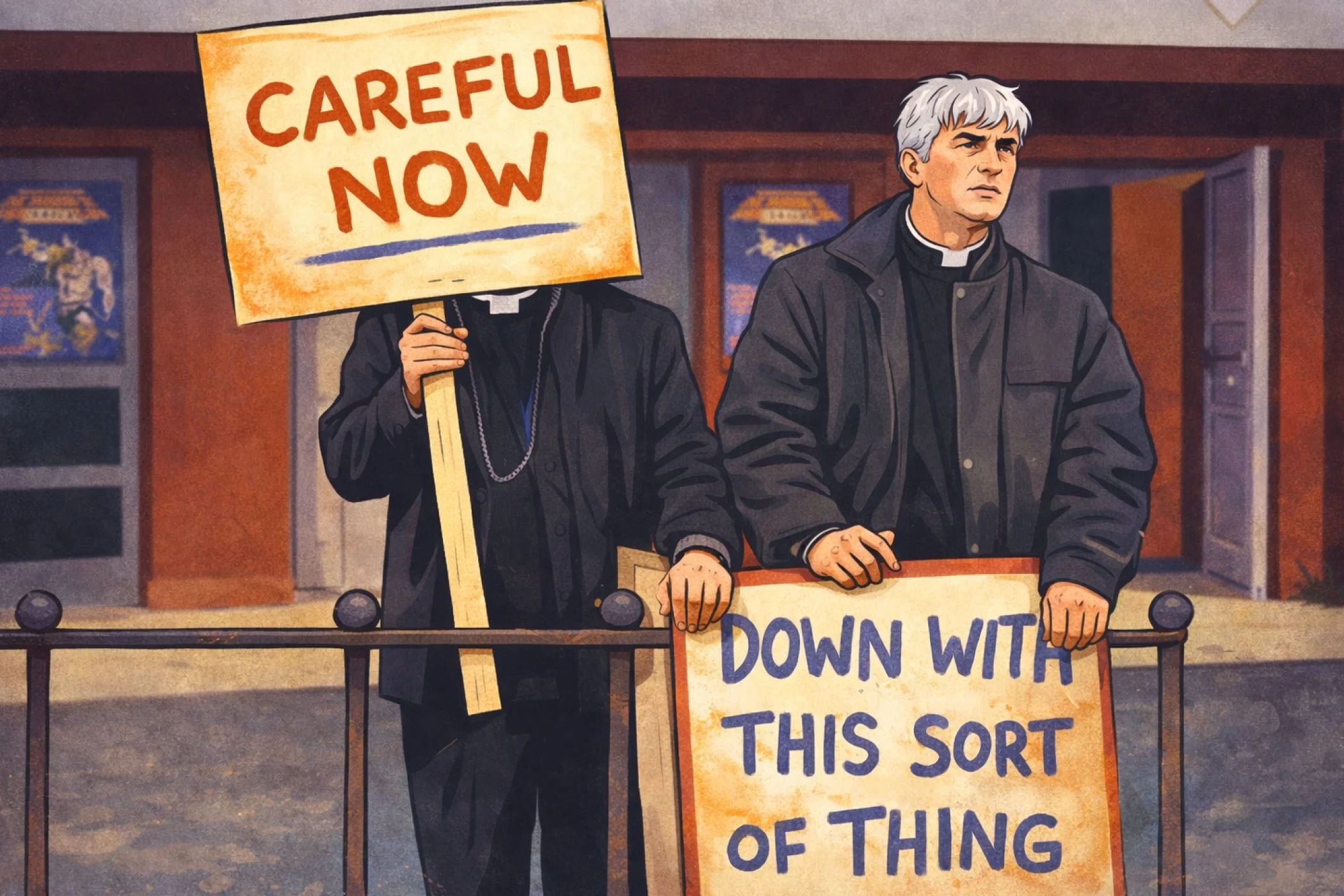
Have brands (and creatives) become more careful?
It can sometimes feel like marketing used to take more risks. Look back 20 or 30 years, and many campaigns were sharper, bolder and more willing to provoke a reaction. Some of them wouldn’t, and shouldn’t, exist today. Standards have changed, and that’s no bad thing. But alongside those cultural shifts, something else has happened.
Consistency, Consistency, Consistency
When it comes to building a successful brand, there’s one rule that trumps all others: consistency. Whether it’s the way your logo is applied, your brand’s tone of voice, or how your company behaves, staying consistent is what builds trust, recognition, and customer loyalty.

Beige Branding: How outrage culture is smothering creativity
Once upon a time, if you didn’t like an advert, you ignored it. Now? Everyone’s offended by everything. Outrage is instant. Backlash is guaranteed. And brands, terrified of saying the wrong thing, end up saying… nothing. Beige branding. Forgettable messages. Safe, bland marketing. But the truth is: standing out means taking risks.

What’s the true value of your brand? (It might be more than you think)
Most business owners can tell you what their equipment is worth, and their building or the balance in the bank. But what is your brand worth? Anyone? And yet, when it comes to long-term success, your brand is likely one of the most valuable things you own, especially if you’ve been in business a while and built up loyal customers, solid word of mouth, and name recognition in your market.

Altitude Makes You Earn It
Why the best branding, design, and marketing don’t come from the comfort zone. Three weeks in the French Pyrenees watching my daughter train at altitude did more than just get us out of the UK for a bit. It reminded me of something we see all the time in branding and marketing, but rarely talk about honestly: The good stuff is hard. And that’s what makes it good.

Why most rebrands miss the mark for professional firms
Walk into any accountancy, legal, or consultancy firm mid-rebrand and you’ll probably hear the same conversations:
“Do we like the blue or the green?”
“Should we go serif or sans serif?”
“Do we need a swoosh, a crest… or something abstract?”

“I could have thought of that!” Why the best design feels obvious (but isn’t)
You’ve probably had the experience, a new logo, campaign, or brand idea lands in front of you, and your first thought is: “Well, yeah. That’s obvious.” But here’s the thing: If it were that obvious, wouldn’t you have done it already?

Why you should walk away if your branding partner asks these questions
When you're investing in branding, you're not just choosing a colour palette or a logo. You're shaping how people experience your business, understand your values, and remember you.

When clients go rogue
Every branding agency has felt it.
That deep, low rumble in the pit of the stomach.
Something's wrong in the ether.
A client has gone rogue!
You check their socials and, oh no.
There it is.
Comic Sans.
In fluorescent green.
On a logo you lovingly created with surgical precision.

How much should you invest in branding and marketing?
If you want your brand to grow, stand out, and stick in people’s minds, here’s a simple truth:
You need to invest. Properly. Consistently. Strategically.
And yet, far too many businesses treat branding and marketing as a “nice to have” or a quick fix when sales are down.